
Plumbing Superheroes - PHD Mechanical Inc

Discover All the Ways Plumbing Superheroes Save Your Family from Unclean Water

Unclean water has a significant impact at home. It causes illnesses and makes basic functions such as bathing and eating almost impossible. It’s why we now rely on expert plumbers to help ensure that we have access to clean drinking water around the clock. In this latest post, our Wayne, NJ team takes a look at the problems associated with unclean drinking water and how plumbers can help protect us.

Unclean Drinking Water Causing Illnesses Across the County

Unclean Drinking Water Causing Illnesses - PHD Mechanical IncWhen you consume drinking water that contains bacteria, you’re at a high risk of contracting a dangerous disease.

Bacteria such as e. coli can cause you to experience significant stomach pain. They can even damage your intestines and other organs over time if you don’t seek treatment.

And so, it’s imperative that you have an expert plumber work on your home to ensure the highest quality of water is retained.

Testing and Filtration

Water Testing and Filtration - PHD Mechanical IncPlumbers can help to manage the flow of water from local areas to your property over time. They can offer a full range of services to help protect your family against the dangers of unclean water.

For example, they can test your water regularly to see if bacteria have made their way into your water system.

The testing process helps to identify dangerous elements such as iron and nickel within local water to ensure that families are not drinking water that is unsafe for consumption.

Your Role in Ensuring Water Access for All

Water Conservation - PHD Mechanical IncWhile an expert plumber can help to secure your family and make sure that safe drinking water is available within your home, you can help your local community by protecting water resources.

There are many steps you can take to play a proactive role in minimizing water use. For example, you can decide to take fewer showers each week, eliminating a costly source of water overuse.

You might also turn to your local plumber for guidance, and install low-flow systems such as low-flow toilets and low flow showers to reduce the consumption of these appliances in the home for years to come.

By taking proactive measures, you can help ensure safe drinking water is available for your family and those across the local region. Speak to your local plumbing team now to discover more on their role in helping link your home with clean water access.

History of Indoor Plumbing Facts and Tidbits


Indoor Plumbing and Tidbits - PHD Mechanical IncIn this latest post, we thought we’d introduce you to the history of indoor plumbing around the world. You might have an idea about how indoor plumbing was invented, but there are interesting stories charting the evolution of the industry.

And in this latest post, our experts at PHD Mechanical, Inc. in Wayne, NJ explore some of the most interesting facts and tidbits.

Toilets in the Indus Valley Civilization

It may surprise you to learn that the Indus Valley civilization of 2350 BCE had their own toilets in their homes. While the toilets were archaic by modern standards, they did provide a form of privacy that was unseen in other civilizations of the time.

This was the very first beginnings of toilets being used, and water flowed from homes to nearby cesspools and waterways.

Roman Engineering

Roman Engineering - PHD Mechanical IncBy the time the Roman Empire began its ascent to power, indoor plumbing was becoming a vital element in communities around the globe.

In Roman times, aqueducts were built to transport water to areas around the region and public toilets were built so that local people could move around town while having access to toilet amenities.

The Romans were also the first civilization to separate indoor plumbing areas by use. They had separate pipelines for cleaning water, bathing water and cooking water.

Flush Toilets in Versailles

Foul Smells Coming From Toilet - PHD Mechanical IncVersailles, France in the 18th century was a dirty environment in which waste was piling in the streets. Local villagers would throw their waste out of the window to the streets below.

This was a cause of consternation for the Queen of France, Marie Antoinette. She had a flush toilet made for the Palace of Versailles, and she would be one of the first and most noted people to own their very own flush toilet system.

Sensor Technology in Japan

Bathroom with Sensor Technology - PHD Mechanical IncBy 1986, our understanding of bacteria and germs was growing to the point that we realized the problems associated with constantly used touch-to-flush toilets.

Flush toilet systems with sensors were invented in Japan in 1986. These systems could sense when a person moved away from the toilet, and would automatically trigger the flush.

From the very first toilets of ancient times to the modern sensor systems, the indoor plumbing available to the modern user has changed substantially over the years.

We hope you’ve enjoyed this quick trip into the past and we look forward to helping you learn more about your home systems in the coming months!

How to Conserve Water and Still Have Summertime Fun


Children Run through the Sprinklers - PHD Mechanical IncSummer is in full swing in New Jersey, and your family is probably busy enjoying every minute of sunshine you can get.
However, this is also a great time of year to stop and think about water conservation, and how your family is doing their part to preserve this precious resource.

Perhaps you’re trying to find ways to cut down on your water bills, or are really keen on lowering your total water usage.

With this quick guide, you’ll find fun and refreshing methods to conserve water at home this summer while still having all the summer fun you need.

Conserving Water and Having Fun this Summer

Conserving Water and Having Fun this Summer - PHD Mechanical IncWhy not make water conservation into a game that your whole family can participate in?

Get together with your family and sit down to create bingo cards for each member. Brainstorm some ways on how your family can cut down water every day, including:

  • Keeping showers under 5 minutes in length
  • Turning off the taps while teeth are being brushed
  • Choosing a shower over a bath to save water

Whoever completes their bingo card the quickest can win a prize, such as choosing the next film for family movie-night, getting their favorite summer sweet, or perhaps even getting a week off from chores.

Other Efficient and Fun Outdoor Water Activities

Barrel full of Clean Water - PHD Mechanical Inc

  • Get outside and play in the rain, as long as there is no lightning present
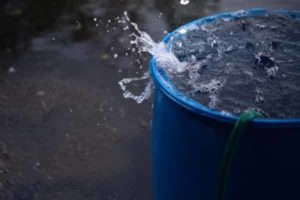
  • Save your rainwater in a barrel and use it to have some water-based play, make water balloons, or wash off dirty sand toys
  • Invest in a small pool that comes with a cover, minimizing the amount of evaporation from the pool

Using Water Hoses and Sprinklers

Children Run through the Sprinklers - PHD Mechanical IncPlaying in the spray of a water hose or running through a sprinkler are both great ways to stay cool and have fun in the summer. Although these activities may be great exercise, they also use up a great amount of water.
Thankfully, there are ways to make these activities less water-heavy. Let your child run through the sprinkler as it’s watering your garden, or spray them with the water hose while you’re watering your flowers.

This way, the water is being used for a specific purpose, but your child still gets to experience the classic joys of summer.

Helpful Water Leak Detection Tips


Owning a home comes with some major responsibilities, and one of the ones that often gets overlooked is leak detection.

Most people are so busy with work and family and their lives that it’s easier to take an “if it’s not broken, don’t fix it approach” to home maintenance.

But the truth is that a little preventative maintenance can save you tons of headaches and cash.

Today we’re going to talk about the importance of water leak prevention, and give you some tips about stopping, finding, and fixing leaks.

Why You Should Care: The Detrimental Effects of Water Leaks

Anybody who’s ever been to or seen a picture of the Grand Canyon will understand the true impact of water.

While there's nothing quite so powerful as the Colorado River in your house, the water coming into and leaving your home can still damage the surrounding structure.

Unnoticed or unaddressed water leaks can lead to a number of problems, and the longer the leak goes unfixed, the worse the problems will get.

Here are a few of the most common problems associated with water leaks:mold

  • Flooding
  • Rust
  • Burst pipes
  • Mold
  • Rot and deterioration
  • Warping and bulging
  • Low water pressure
  • Expensive water bills

How to Find the Source of a Leak

When you suspect you might have a leak in the house, the first step is to locate the source.

If you want to find out for sure if there's a problem, check your water meter, wait two hours (make sure no one uses the water), and then check the meter again.

Did the meter change? If so, it means you have a leak.

Start by checking easy-to-see areas like faucets, toilets, and visible pipes. If you don’t find a potential leak, move on to appliances that use water. Look for drips, wet spots, and signs of moisture.

Then, check your walls, floors, and ceilings for wet spots, mold, heaving/bubbling, and damage. Finally, go outside and check your yard, driveway, and other areas around your house for puddles, dark spots, and signs of wetness.

Preventative Maintenance for Leaks Around the House

Of course, the best way to prevent water damage and expensive repairs is to take steps to prevent leaks.

faucet-leakIt doesn’t take long, but it does require that you go around the house regularly looking for problems.

You may think it’s an unnecessary hassle, but the amount of money you can save by preventing leaks is astonishing.

During your rounds, check all the same places you inspected to find the source of the leak.

Take care of any small drips, eroding or rusting pipes and fixtures, and other potential problems immediately.

Other ways to prevent leaks and water damage is to make sure you properly maintain all your appliances, water heater, sump pump, septic tank, plumbing, and anything else that uses water.

Useful Tips for Kitchen & Bathroom Renovations


The kitchen and bathroom upgrade process requires you to take a number of elements into consideration.

Which fixtures will you be adding to the home? Which company will you choose for the work?

These are just a couple of the many questions that will arise during the renovation process.

To help guide you in ensuring an exceptional return on investment for the renovation, this latest post will highlight several useful tips for kitchen and bathroom upgrades.

Call the Renovation Firm Ahead of the Project

Make sure that you have access to a trusted renovation company for your project.pro

One of the leading mistakes many homeowners make is waiting until they’ve decided on a certain style and budget before they begin.

The selection of the renovation specialist should be the first element you consider.

They can review the home and help you make the right choice on renovation elements that will fit your property with precision.

They may also be able to save you money in the process, which may alter your preconceived budget.

Review Classical Design Options

They’re the designs that never go out of style. Those classical countertop styles should be considered for your kitchen and bathroom renovation projects.

As part of your project you might wish to consult with a design firm on elements such as granite and marble countertops, as they can help you ensure the best value for your money.

These kitchen and bathroom additions can stand the test of time and will help you recoup your investment when it comes time to sell the property in the future!

Consider High-Efficiency Fixtures

efficiencyThe renovation process offers you the ideal opportunity to improve the performance of your home systems.
With access to a trusted plumbing team, you can ensure that all elements are designed to meet your efficiency requirements.

You can install low-flow showers to mitigate water use.

And you can use high-efficiency appliances throughout the kitchen to save on energy across the entire year.

Choosing high-efficiency systems can help you save thousands of dollars over the long-term.


Do You Have Stinky Drains and Smelly Water? Here’s Why

For many plumbing problems, the inaccessible and technical nature of water pressure, pumps, and other elements means that you’ll need an expert to safely and efficiently find a problem, address it, and conduct a quality repair.

But some issues, even though they may be serious, actually have very simple solutions that anyone can—and should—try themselves before bringing in a plumber. When it comes to bad smells coming out of your plumbing, you may have some easy DIY options that you should try first, like the ones we’ve outlined here.

For Smelly Sewage Lines

Here’s where it may be time to call in the experts, depending on the nature of the problem.

With an entire sewage line, issues can be located in a much broader range and can either remain simple DIY problems, or require a professional response.blocked-drain

If you have a ventilation problem, you can fix this yourself if the issue is something basic, like leaves or other debris blocking the vent that normally allows gas to exit your home.

If the problem is with your sewage line itself, especially like a blockage deep in the system, you’ll need professional equipment and experience to deal with this problem.

For Smelly Water

When every faucet emits a smell when you turn it on, but that smell is only detectable when you run the hot water tap, you don’t have to worry about your water supply being compromised. What you have is a bacterial colony that has taken up residence in your water heater tank, and it’s that bacteria that’s causing the smell.

Of course, this isn’t a great situation to be in, since this means that you’re bathing in, drinking, and possibly cooking with bacteria, and some of these strains can cause illnesses like Legionnaire’s Disease. The way to deal with this problem is turn the heat up.

Right now, your water heater tank is warm and comfortable, but if you turn it up to around 135-140°F, bacteria can’t survive at that temperature range.

For A Stinky Drain

When the smell you detect is only coming from one source, and it’s not from a tap, then a stinky drain probably means you have an empty p-trap.

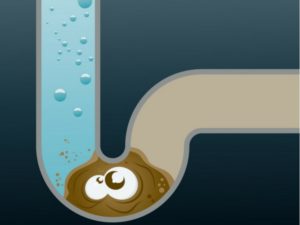
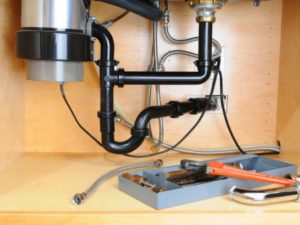
This is another of those problems with a very cheap, very simple solution that you don’t want to pay a professional to do for you. p-trapA p-trap is the series of bends in the pipe under your sink.
It’s designed to hold a quantity of water, and when that water is present, it acts as a vapor barrier, keeping gases that naturally drift in from the sewer out of your home.

If you’re smelling that sewer gas, just pour more water in. You’re far better off doing this yourself for free than paying someone else to come down to do the exact same thing.

Going Green: A Complete Home Guide


Earth Day is designated for April 22, and while it’s not an actual holiday, it’s still an important time. It’s there to remind us that we live in our homes, and our homes live on the Earth. Because of that, we all have some responsibility to take care of the Earth, just like we maintain our homes.

If you’re interested in doing more to make sure our environment has more care and protection, follow this guide from our experts at PhD Mechanical, Inc. and start making a difference in your own home.

Use Eco-Friendly Plumbing Fixtures

For many people, as long as faucets aren’t leaking and toilets are flushing, everything is fine. But that means you’re not paying attention to how much water you’re using every time that shower is turned on, or that toilet is flushed.

Eco-friendly plumbing fixtures are much less wasteful with water, and that means you pay less on your water bills each month. Low flow toilets can save as much as 50% water with every flush compared to pre-millennial toilets. High-efficiency showerheads give you great pressure, but use less water to do so.

Do Something About Your Carbon Footprintcarbon-footprint

Your carbon footprint is just how much carbon dioxide—CO2—you vent into the atmosphere, contributing to global warming.

You can shrink your carbon footprint by being more conscientious about your product and business choices.

Some cars, for example, emit far less CO2, and some businesses have strict practices in place that lower their CO2 emissions. Focus on both of these aspects to shrink your own carbon footprint.

Use a Water Filter

Clean water benefits everyone, but sometimes what you get from a tap isn’t going to be what you want to use or drink. Some people get around this by resorting to bottled water, or water cooler services, but this adds up.

It also means you have more bottles or containers that need to be recycled if you want to be responsible. A water filter negates much of the waste that comes from wanting that kind of water quality.

Once installed, you can drink as much as you want, or use it for cooking, and enjoy clean, good tasting, safe water in unlimited amounts, with no more wasted plastic to deal with after.

Upgrade Your Water Heater

save-waterA conventional water heater uses a large tank that holds a lot of cold water. That entire volume is then heated up, so it’s ready for a bath, shower, dish washing or laundry.

Once it’s emptied, a new tank needs to be heated up all over again before more hot water is available.

By making the switch to a tankless water heater, you get water heated directly in the plumbing, and once it gets going, it never runs out.

It also uses far less energy. You can expect to pay as much as a $100 less every year on your bills due to this single change.


World Water Day Happens on March 22. Are You Ready?


world-waterIn 1993, the United Nations reacted to the growing problem around the freshwater supply by creating an annual day of observance. Every year, on March 22, World Water Day is celebrated. It is a day to publicly mark progress in dealing with water scarcity, as well as educate the public on how they can make a difference.

Each year the UN assigns a theme to World Water Day. This year it is “Waste Water”. This is important because improperly treated water contributes to water-borne illnesses, which kill millions of people a year. Not only are billions without access to fresh water; millions are also without a toilet. Learning about wastewater treatment is essential to rectifying this problem.

Fix All Leaks Immediately

wasting-waterLeaky plumbing wastes a lot of water. It is a critical step in reducing your own water footprint to stay on top of any leaks in your home.

Signs of leaks include mold growth, unexplained hikes in your water bills, damp spots, pooling water and musty smells. Check your faucets, showerheads, and toilets regularly.

Inspect piping around your washing machine, dishwasher and on fridge ice makers. Don’t forget outdoor faucets, which are prone to leakage too.

Water Crisis Stats

The World Economic Forum has named the water scarcity crisis the greatest risk to the global economy because of the potential devastation that could result from the inadequate water supply. Over the past four decades, the world’s population has doubled, but the water use has quadrupled. Half of the world lives in areas where water tables are falling. While water scarcity exists nearly everywhere in the world, the regions in Sub-Saharan Africa are the hardest hit.

water-dropIn less developed countries, families need to travel by foot for hours every day just to collect water, most of which isn’t clean anyways. This job usually falls to the women in the house, which means many girls drop out of school very young, limited education and employment opportunity.

Although it is estimated that you only need 12 gallons of water a day for survival, the average American actually uses close to 158 gallons.

Tips to Get Your Conservation Efforts Going

Ready to reduce your water footprint? Here are some easy-to-follow tips.
Instead of boiling veggies, steam them in a couple of inches of water. Reserve pasta liquid to water plants. Don’t defrost frozen food under running water. Keep a full jug of tap water in the fridge for drinking, rather than running the tap.

Avoid the permanent press or extra rinse cycles. Don’t do laundry unless the washer is full.

When having a shower, collect the water while you are waiting for it to heat in a bucket. You can use it to flush the toilet naturally. Don’t flush the toilet to get rid of unnecessary items (i.e. Kleenex, cigarette butts, etc.).

Don’t water your lawn unless it needs it, and then do it early in the morning. Make sure your sprinkler is aimed at the grass only as there is no point in watering the pavement or gutters. Give pets a bath on the lawn, accomplishing two jobs with less water.

Water conservation starts in your home. Want to know more? Contact PHD Mechanical in Wayne, NJ, call us at (973)-492-5931.

Practical Tips For A Healthy New Year

Practical Tips For A Healthy New Year

healthy-life2017 is here and a lot of people are turning over a new leaf, looking for ways to be healthier. If your New Year's resolutions include looking for ways to improve your own health and that of your family, we congratulate you.

But did you know that there could be some hidden health dangers inside your home that are undermining your efforts? Thankfully, you can do something about it.

Keep Your Faucets Clean

leaking-faucetYou're probably already aware of the importance of keeping the surfaces in your kitchen and bathroom clean and disinfected to help keep germs in check. But your cleaning routine probably doesn't include looking after the inside of your faucet.
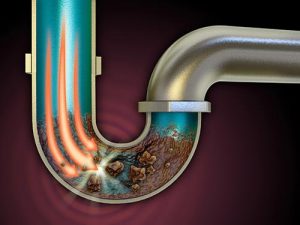
It's normal for mineral deposits to form on the aerator of your tap. The fine mesh of the aerator can also trap particles suspended in the water. There's a possibility that, if you have an aging plumbing system, tiny pieces of lead have separated from your pipes or their joints and gotten lodged in the aerator. If this situation persists for a long time, your family could be at risk of getting lead poisoning.

To clean the aerator:

  • Unscrew the aerator using pliers or a wrench
  • Disassemble it, taking note of how the pieces fit together
  • Gently scrub the components with an old toothbrush
  • You can also leave them to soak in white vinegar to dissolve stuck on mineral deposits
  • Put the aerator back together and reinstall it on the tap

Slow Running Drains

clogged-drainsA sink or bathtub that takes an unusually long time to empty is the sign of a clog within your pipes. Many people believe that this is not a big deal and it just requires a bit of extra patience. In fact, a clog can contribute to a health hazard.
If clean water is left standing for too long, it will eventually become stagnant and dangerous bacteria like legionella will form. That risk is exponentially greater if the water is dirty.

That's why it's very important to eliminate clogs as soon as they become apparent. A plumbing professional equipped with the right tools will quickly locate the clog and determine the best approach to remove it.

Water Safety Concerns

Did you know that water from virtually any water treatment facility in the land is likely to contain trace elements of dangerous contaminants like lead, aluminum, thallium, and arsenic? Of course, the water is constantly monitored to make sure that the concentration levels of these disease-causing chemicals remain within acceptable guidelines.

If you would prefer to have water that is completely pure and free of chemical contaminants, your best solution is a whole home water filtration system. These devices, available in reverse osmosis or carbon filter models, can virtually eliminate the chemicals and other contaminants in your water so that you have fresh clean tasting water coming from your taps all the time.

For more clean water and healthy solutions for your Wayne, NJ home, call 973-492-5931 to book an appointment with the specialists at PhD Mechanical.

Frozen Pipes Thawing and Prevention: A Quick and Easy Guide

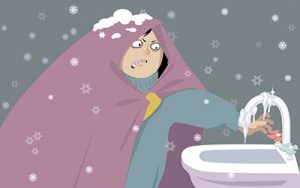
winterize_your_homeFrozen pipes are one of the leading structural challenges homeowners face during the North American wintertime. The problem can lead to a lack of heat in the home, and limited water access while waiting for a resolution.
And so, for those who have encountered this challenge in the past, it’s important to take a proactive stance on frozen pipe thawing, and on preventing the problem in the future. In this latest article, we’ll offer our quick and easy guide to mitigating problems with frozen pipes.

Review Exterior Plumbing

The plumbing in the exterior areas of your home could become frozen over time. These are the areas in which your home is most at risk due to the dropping temperatures. It’s important that any exterior hoses are disconnected from the home, and any water in the hoses is drained to prevent a frozen blockage.

It’s also important that you drain any extra liquid in your sprinklers, and turn off the system for the wintertime. This can help prevent future problems with the structure of the exterior plumbing system.

Let the Hot Water Run

One reason that pipes freeze during cooler temperatures is the water in them is static. In cooler temperatures, this can quickly lead to problems with freezing. Homeowners can help counteract problems with frozen pipes by allowing the hot water in their systems to run periodically throughout the winter season. This will ensure they retain a warm environment in the pipes.

Use a Hair Dryer or Heat Lamp for Thawing

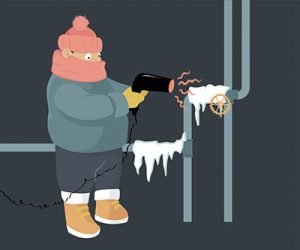
heating_efficiency_winterize_homeIf you have noticed a problem with freezing pipes a little too late to prevent the issue, there are number actions you can take to thaw the area. One great option is to simply use a hair dryer and blow warm air on the pipes for a short period of time.

The high heat from the hair dryer will heat the moisture in the pipes, restoring optimal flow in the home. For stubborn frozen patches, you might choose to focus a heat lamp on the area for a few hours. This will ensure you’re able to attend to other tasks around the home as the pipes thaw.

Working with trusted plumbers to manage your frozen pipe issues, you can save money and restore the optimal functionality of your system. Our team is available around the clock to address any plumbing challenges you might face this winter. To learn more or to book a consultation with PHD Mechanical, in Wayne, NJ call us at 973-492-5931 today.